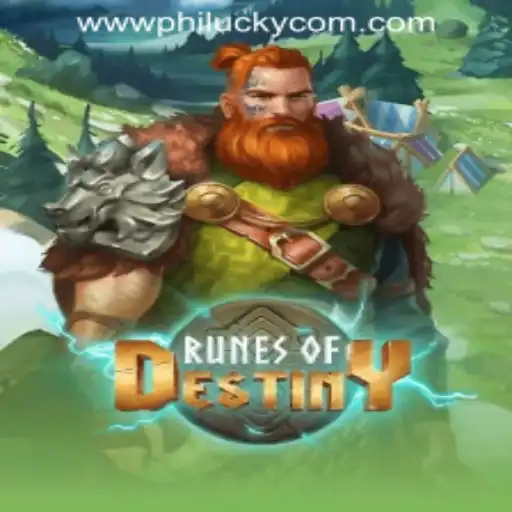
Exploring the Mystical World of RunesOfDestiny
Unveiling the enchanting universe and strategic gameplay mechanics of RunesOfDestiny amidst the evolving landscape of online gaming.


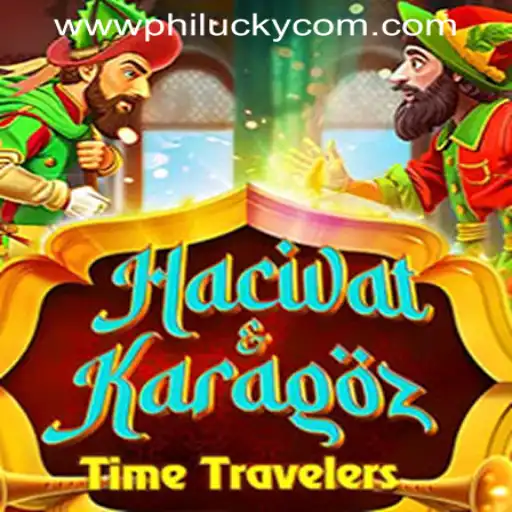
Among the myriad forms of storytelling, shadow puppetry stands out with its unique blend of art and narrative. One of the most enchanting representatives of this tradition is the Turkish shadow play known as Hacivat and Karagoz. This iconic form of entertainment encapsulates the wit, imagination, and cultural richness of Turkish folklore, captivating audiences for centuries.
The tale of Hacivat and Karagoz dates back to the Ottoman Empire, where it was a beloved form of entertainment in the 14th century. According to legend, the characters are based on two real individuals who worked on the construction of a mosque in Bursa. Their humorous exchanges amused the workers so much that the project faced delays. Although various accounts exist regarding their fate, the stories highlight the importance of humor and wit in balancing life's challenges.
The shadow play revolves around the comedic misadventures of its two titular characters. Hacivat is depicted as the eloquent and sophisticated counterpart, often trying to navigate and resolve situations with logic and poise. In contrast, Karagoz is portrayed as a boisterous, mischievous figure whose antics and straightforwardness continually disrupt Hacivat's plans.
The dynamic between Hacivat and Karagoz is central to the play's enduring appeal. Their interactions reflect universal themes of friendship, societal roles, and human nature, making the play relatable across generations and cultures. Despite their differences, their camaraderie highlights the strength of unity and mutual respect.
Hacivat and Karagoz performances are traditionally staged using a simple but ingenious technique. The puppets, made from translucent animal skin, are positioned between a light source and a screen. As the puppeteer manipulates the figures, their colorful silhouettes are projected onto the screen, creating a lively and engaging spectacle.
The success of these performances hinges on the skill of the puppeteer, who must master multiple voices, movements, and storylines. This single individual brings the entire scene to life, a testament to the expertise and artistry required to sustain this ancient tradition.
Although primarily seen as a theatrical production, Hacivat and Karagoz also encompass elements akin to a game. The rules governing the interaction between characters are subtle yet significant. The conflict often stems from Karagoz misunderstanding or deliberately misinterpreting Hacivat's sophisticated ideas. This misunderstanding fuels the narrative, resulting in a series of humorous, often satirical exchanges that highlight cultural and social insights.
The play's structure typically comprises several acts, each featuring a different scenario or problem that the characters must navigate. Despite the apparent chaos, there's an undercurrent of order, reflecting societal norms and behaviors in Ottoman and modern Turkish life.
In an era dominated by digital entertainment, the art of Hacivat and Karagoz provides a refreshing escape to a simpler form of storytelling. Its timeless humor and cultural significance continue to resonate, with performances being held during national festivals and special occasions. This cultural gem serves as a link to the past, engaging both children and adults with its enduring charm.
Despite its ancient roots, the influence of Hacivat and Karagoz extends into modern entertainment. Its themes are echoed in various media forms, highlighting its adaptability and relevance. Furthermore, the performance style offers inspiration for contemporary creators, blending tradition with innovation to appeal to modern audiences.
The interaction with current events and technology is inevitable. Integrating shadow play with digital platforms expands its reach, providing a platform for cultural exchange and preservation. By engaging with these innovations, Hacivat and Karagoz not only preserve their rich history but also inspire new generations to explore this captivating art form.
If you're looking for a reliable, fully licensed, and secure sportsbook with a wide selection of games, Philucky online casino link is the perfect choice. We're committed to providing you with the best online betting experience, with premium quality, excellent service, and continuous innovation. Sign up now and receive ₱777 for free!
Join now
Get the latest information, experience and betting strategies from the expert team at Philucky online casino link.
Unveiling the enchanting universe and strategic gameplay mechanics of RunesOfDestiny amidst the evolving landscape of online gaming.

Dive into the world of deception and strategy with MafiaMayhem, a captivating game that challenges players to outwit opponents. Discover the game's essence, introduction, and rules in this comprehensive exploration.

Dive into the captivating world of WildOverlords, an exhilarating game that combines strategic elements with fast-paced action. Uncover its rules and gameplay in this detailed exploration.
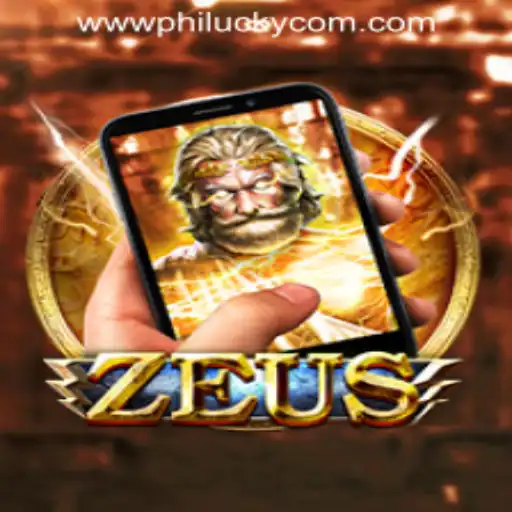
Discover ZeusM, the captivating new game taking the online gaming world by storm. Learn about its unique features, rules, and how current events shape its gameplay.

Discover the wild allure of JungleParty, a thrilling game at Philucky online casino.
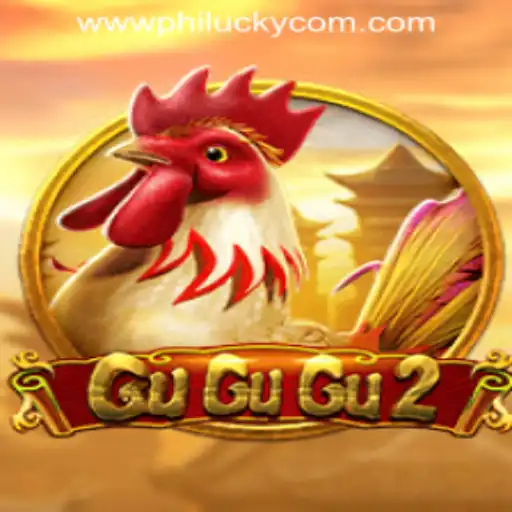
Explore the captivating world of GuGuGu2, a popular choice at Philucky Online Casino. Discover its rules, gameplay, and appeal.
 Join now